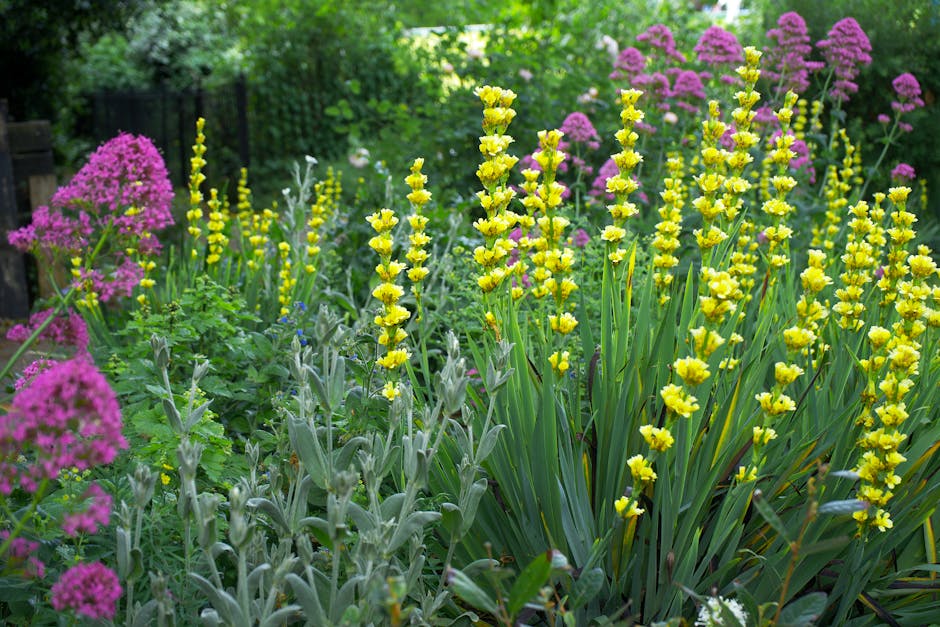
Ravenscourt Park gardeners for small garden transformations
Small gardens can be brilliant. They can also be a bit awkward, cramped, shaded, oddly shaped, and full of "we'll sort that later" corners that somehow never get sorted. If you live near Ravenscourt Park and want your outdoor space to feel calmer, more usable, and better looked after, Ravenscourt Park gardeners for small garden transformations can make a real difference. The trick is not simply to add more plants or a fancy feature. It is to shape the space so it works for the way you actually live.
In a compact London garden, every metre matters. A narrow side path, a tired lawn, a hedge that has grown just a touch too enthusiastic, or a cluttered patch that catches the eye every time you open the back door can all make the space feel smaller than it is. A good transformation focuses on proportion, flow, light, and maintenance. Done well, it does not shout. It just feels better every time you step outside.
This guide breaks down how small garden transformations work, what good gardeners look for, which improvements create the biggest impact, and how to avoid common mistakes. You will also find a practical checklist, a comparison table, and a realistic example so you can decide what makes sense for your own garden without guessing your way through it.
Table of Contents
- Why it matters
- How the transformation process works
- Key benefits and practical advantages
- Who needs this and when it makes sense
- Step-by-step guidance
- Expert tips for better results
- Common mistakes to avoid
- Tools, resources and recommendations
- Law, compliance and best practice
- Options, methods and comparison table
- Case study or real-world example
- Practical checklist
- Conclusion
- Frequently asked questions
Why Ravenscourt Park gardeners for small garden transformations Matters
A small garden can be one of the most valuable parts of a home, especially in a busy part of West London where outdoor space is at a premium. The right approach can turn a patch that feels forgotten into somewhere you actually use for morning coffee, a quick stretch of fresh air, or a quiet evening after work. And honestly, that matters more than people sometimes admit.
Ravenscourt Park gardeners for small garden transformations matter because small spaces punish poor planning. If the layout is off, you notice it immediately. If the planting is too dense, the garden can feel crowded within a season. If the surfaces are tired or uneven, the whole place starts to look neglected. With the right help, though, small gardens can feel wider, tidier, and far more intentional.
There is also a maintenance angle. A beautiful but high-maintenance design is a lovely idea in spring and a nuisance by August. Good gardeners understand how to balance looks with upkeep. They know where to cut back, where to simplify, and where a bit of structure can save you time every week. To be fair, that practical side is often what makes the biggest difference in the long run.
In our experience, the best small garden work often starts with restraint. Not more. Better. A cleaner edge, a better focal point, the right planting height, a smarter route through the garden, perhaps a small deck or paved area where the sun lands in the late afternoon. Tiny adjustments can change how a space feels.
If you are exploring wider outdoor improvements, it can help to look at the broader services overview and the team background on the about us page before deciding what kind of support you need.
How Ravenscourt Park gardeners for small garden transformations Works
The process usually begins with a proper look at the space, not just a quick glance over the fence. A skilled gardener will assess the garden's shape, sunlight, soil condition, drainage, existing features, and how much maintenance you want to take on afterwards. A small garden transformation is part design thinking, part problem solving.
First comes the tidy-up and the reality check. This is where you identify what is worth keeping, what needs cutting back, and what should go. Sometimes the garden is not "bad" at all; it is just visually overloaded. A bit of clearance can reveal the actual bones of the space. If the area is very cluttered, a garden clearance stage can make planning much easier.
Then comes the structure. That may mean edging, shape-setting, reworking a border, trimming hedges, or creating a defined seating corner. A small garden benefits from clear zones. You do not need many. You just need the right ones. For example, a narrow garden might work best with a compact seating area at the back, a central strip of planting that draws the eye forward, and a neat path or stepping route that avoids the feeling of walking through a corridor.
After structure comes the surface and planting decisions. Some gardens need lawn repair or a new mowing regime. Others benefit from a low-maintenance planting scheme with evergreen texture and seasonal colour. If grass is staying, regular care matters, and the right lawn mowing routine can keep a small lawn looking crisp rather than scruffy.
Finally, the finishing phase ties everything together. That could include a simple paved area, a small run of decking, fresh mulch, reshaped hedges, or a more balanced planting palette. A compact deck can be especially useful where the garden needs one strong social or relaxation zone. For that kind of upgrade, it is worth looking at decking services as part of the overall plan.
Key Benefits and Practical Advantages
Small garden transformations are not only about appearance. Yes, the before-and-after effect can be lovely, but the real value is often practical. You gain usable space, easier upkeep, and a garden that feels like part of the home rather than a separate chore.
- Better use of limited space: Smart layout makes a small garden feel more spacious and purposeful.
- Lower day-to-day maintenance: Simpler planting and clearer structure reduce the time needed each week.
- Improved privacy: Carefully placed hedging, screening, or planting can soften overlooking windows.
- Better light and movement: Cutting back overgrowth and opening sightlines can make the area feel brighter.
- More inviting outdoor living: Even a modest seating corner can change how often you use the garden.
- Higher visual value: A neat, balanced garden lifts the whole feel of the property.
There is a subtle psychological benefit too. When a garden is orderly and easy to enjoy, people tend to use it more. You glance out of the kitchen window and it looks calm rather than chaotic. That sounds small, but it changes your day. Really, it does.
Ongoing maintenance also becomes more predictable. A clear plan for trimming, mowing, border care, and seasonal tidy-ups makes it easier to stay on top of things. If that is part of your thinking, a regular garden maintenance arrangement can be a sensible companion to the initial transformation.
Who This Is For and When It Makes Sense
This kind of work suits homeowners and landlords who have a compact outdoor space that looks underused, overgrown, or simply unfinished. It is also a good fit if you have recently moved in and the garden does not match the rest of the home, or if your existing layout no longer works for family life, pets, entertaining, or just a bit of peace.
It makes sense when the garden has one or more of these problems:
- the space feels smaller than it should
- the lawn is patchy or difficult to maintain
- borders have become crowded and messy
- hedges are blocking light or making the space feel boxed in
- there is no clear seating or planting arrangement
- you want a better look without a full rebuild
It is also useful if you want a transformation in stages. Not every garden needs a dramatic overhaul on day one. Sometimes the smarter move is to clear, trim, simplify, and then build up the design over time. That can suit budget, time, and the practical reality of living with a garden while work is happening.
For some properties, especially those with dense growth or tired boundary planting, professional hedge work can be a turning point. A tidy perimeter opens the garden visually and can restore balance. If that sounds familiar, hedge trimming is often one of the first jobs worth considering.
Step-by-Step Guidance
If you are planning a transformation, a simple process keeps things manageable. You do not need to solve the whole garden in one conversation. Start with the basics and build from there.
- Look at how you use the space. Do you want seating, children's play space, planting, a herb corner, or just something tidy and easy to maintain?
- Identify the main problem. Is it clutter, poor layout, too much shade, weak planting, or a lawn that never quite recovers?
- Strip back the excess. Remove anything that is dead, awkward, or crowding the garden. This often reveals quick wins.
- Decide on one or two focal points. In a small garden, too many features can make the space feel busy. Keep it simple.
- Choose a structure first. Paths, borders, seating zones, screens, and edges should come before decorative extras.
- Select planting for scale. Smaller spaces usually benefit from layered planting with varied texture rather than bulky, sprawling species.
- Plan for maintenance. If you are not keen on weekend gardening, keep the planting scheme realistic.
- Finish with regular care. The best transformation is the one that still looks good six months later.
A small but important point: do not over-design the space before seeing what is already working. Sometimes a patch of sun in the afternoon or a quiet corner beside a wall is the best feature you have. Use what the garden gives you. That is the clever bit.
Expert Tips for Better Results
There are a few habits that tend to separate a decent result from a really satisfying one. None of them are flashy. They are practical, almost boring in the best possible way.
1. Think in layers, not just items
Small gardens often improve when you build depth through layers: ground level, mid-height planting, and one or two vertical elements. A layered approach draws the eye through the space instead of stopping it dead.
2. Keep the colour palette under control
Too many colours can make a compact garden feel restless. A restrained palette, with perhaps one or two stronger accents, usually looks more elegant and easier on the eye.
3. Use hard landscaping to calm the layout
A neat edge, compact patio, small deck, or well-set stepping route can give a garden a sense of order. If the existing surfaces are part of the problem, better landscaping choices may have more impact than adding more plants.
4. Leave breathing room
One of the most common mistakes is filling every gap. A little negative space is not wasted space. It gives the eye somewhere to rest and helps the garden feel larger.
5. Match the garden to your routine
If you travel often or simply do not want to be out there every weekend, be honest about that. Choose low-fuss planting and manageable shapes. There is no medal for creating extra work. Let's face it, most people want a nice garden, not a second job.
6. Factor in seasonal change
A garden can look wonderful in May and underwhelming by October if there is no structure. Evergreen planting, textured materials, and sensible trimming help the space hold together across the year.
If your transformation involves more than basic tidy-up work, a broader landscape gardening approach can help connect design, planting, and maintenance into one coherent plan.
Common Mistakes to Avoid
Small gardens forgive very little. That sounds harsh, but it is true. The good news is that most mistakes are easy to avoid once you know what to look for.
- Overcrowding the planting. New plants need space to grow. If they are crammed in from day one, the garden becomes messy faster than expected.
- Choosing features that are too large. Big furniture or oversized ornaments can overwhelm a compact area.
- Ignoring drainage. A lovely layout means little if the garden turns soft and soggy after rain.
- Leaving hedges and shrubs unstructured. A little shaping goes a long way in smaller spaces.
- Using too many materials. Mixing several paving styles, colours, and edging treatments can make a small garden feel chopped up.
- Designing without maintenance in mind. If it looks great only when freshly done, the long-term result will disappoint.
Another trap is doing everything at once without a clear sequence. It is tempting. But if you start planting before the structure is sorted, you may end up moving things around later. That usually means more cost, more hassle, and a garden that feels mid-construction for longer than you wanted.
Tools, Resources and Recommendations
A good gardener uses tools to make the work cleaner, safer, and more precise. For the homeowner, the key is less about owning every tool and more about understanding what each stage needs.
Common tools and materials in small garden transformations include:
- hand pruners and loppers for shaping and cutting back
- hedge trimmers for boundary work and clean lines
- spades, forks, and trowels for border preparation
- edging tools for crisp lawn and path definition
- mulch, compost, and topsoil for improving planting areas
- timber or composite materials for small decking features
- gravel, paving, or stepping stones where a lighter footprint works better than a full patio
Not every garden needs all of these. In fact, the best results usually come from choosing fewer, better-matched components. If your lawn is staying as a feature, regular mowing and feeding are more useful than trying to reinvent the whole space.
For a practical clean-up before design work begins, some gardens benefit from a full tidy and removal of waste. A proper garden clearance can save time and give you a blank canvas without the stress of dealing with piles of cuttings yourself.
If you are comparing service options or want to understand what is typically included, the services overview and pricing and quotes pages are useful starting points.
Law, Compliance, Standards, or Best Practice
For most small garden transformations, compliance is not complicated, but it should not be ignored. If the work involves trees, boundary issues, waste removal, access arrangements, or any significant construction element, a careful approach matters. UK garden work is usually shaped more by good practice, property boundaries, safety, and neighbour awareness than by one single rulebook.
Best practice generally means:
- checking whether any trees or hedges may need additional care before cutting back
- making sure waste is handled responsibly and disposed of properly
- working safely around tools, hard surfaces, and uneven ground
- respecting shared boundaries and avoiding avoidable damage
- confirming that any larger work is discussed clearly before it begins
If tree height, canopy spread, or proximity to structures is part of the problem, it is better to handle it carefully rather than rush. A thoughtful approach to tree lopping and removal can open light into a small garden, but only when it is assessed properly and done with the right level of care.
Professional teams should also be clear about safety and insurance. If you are inviting people onto your property, that is not a small thing. It helps to know how they work, how they handle risk, and whether their processes are documented. Pages such as health and safety policy, insurance and safety, and recycling and sustainability are useful indicators of a responsible setup.
For service terms and payment expectations, it never hurts to read the terms and conditions and the payment and security information before confirming work.
Options, Methods, or Comparison Table
Different small garden solutions suit different goals. Here is a simple comparison to help you think clearly before making decisions.
| Approach | Best for | Advantages | Possible drawback |
|---|---|---|---|
| Light tidy-up and shaping | Gardens that mostly work but look untidy | Quick, affordable, low disruption | Does not solve deeper layout issues |
| Clearance plus replanting | Overgrown or cluttered gardens | Creates a clean reset and better structure | Needs good planting choices to avoid repeat overcrowding |
| Hard landscaping refresh | Spaces with poor flow or worn surfaces | Strong visual improvement and better usability | Usually costs more than simple maintenance |
| Decked seating zone | Small gardens that need a defined social area | Strong focal point and good for awkward corners | Needs careful sizing to avoid dominating the garden |
| Full redesign | Gardens with multiple issues or a new lifestyle need | Most complete transformation | More planning, more budget, more decisions |
For many homes, a mixed approach works best. A little clearance, a little reshaping, and one strong feature can outperform a big but unfocused redesign. That's the honest answer, really.
Case Study or Real-World Example
Picture a narrow back garden with a tired lawn, a hedge that has crept inward, and a storage corner that has slowly turned into a jumble of pots, broken canes, and forgotten trays. Nothing dramatic, just the usual sort of buildup you see when life gets busy.
The transformation starts simply. First, the clutter goes. Then the hedge is trimmed back to restore light and make the boundary look deliberate rather than wild. The lawn is cut properly and edged cleanly. The middle of the garden gets simplified, leaving room for one small seating area with a better view of the whole space.
Instead of trying to pack in lots of planting, the gardener adds a few controlled groups: one evergreen structure for winter shape, one softer flowering section for seasonal colour, and some lower planting to stop the garden feeling flat. A narrow deck or paved pad gives the owner somewhere to sit with a drink on a mild evening. Suddenly the garden feels twice as usable, even though the footprint has not changed at all.
That kind of result is common with small gardens. Not because the work is magical, but because the space was never hopeless in the first place. It just needed clearer decisions. Sometimes the quiet transformation is the most satisfying one.
Practical Checklist
Use this checklist before you book or begin any small garden transformation.
- Have you decided how you want to use the space?
- Do you know what must stay and what can go?
- Have you identified the biggest visual problem?
- Are light, shade, and drainage understood?
- Is the layout simple enough to maintain?
- Have you chosen one main focal point?
- Will the planting suit the available time for upkeep?
- Have you checked whether hedges, trees, or boundaries need special attention?
- Are waste removal and recycling accounted for?
- Have you reviewed service terms, safety, and payment details?
- Do you have a realistic budget and timing plan?
If you can tick most of those off, you are in a good place. If not, that is fine too. Better to clarify now than end up nudging plants around in frustration later.
Conclusion
Ravenscourt Park gardeners for small garden transformations are most valuable when they bring structure, restraint, and practical thinking to a space that has become awkward or underused. The best results are rarely the flashiest. They are the ones that make the garden easier to enjoy, easier to maintain, and nicer to look at on an ordinary Tuesday morning.
Whether your goal is a tidy retreat, a compact entertaining spot, or a more balanced garden that finally feels finished, start with the shape of the space, then move to the details. Keep it simple where you can. Invest in the parts that matter most. And do not underestimate what a cleaner layout, better trimming, and a sensible planting plan can achieve.
If you are ready to take the next step, choose a team that understands small spaces, clear communication, and dependable workmanship. That calm, thoughtful approach usually shows in the result.
Get a free quote today and see how much you can save.
Frequently Asked Questions
What do Ravenscourt Park gardeners for small garden transformations usually include?
They usually start with clearing, pruning, shaping, and improving the layout, then move into planting, edging, surface updates, or small hard landscaping features. The exact mix depends on the garden's condition and your goals.
Can a very small garden really be transformed?
Yes. In fact, small gardens often respond well to careful changes because every improvement is visible. Better structure, lighter planting, and a clearer focal point can make the space feel significantly more usable.
How do I know whether I need maintenance or a full transformation?
If the garden is basically fine but needs regular care, maintenance may be enough. If it feels cluttered, poorly laid out, or visually tired, a transformation is usually the better starting point.
Will a small garden transformation make my outdoor space look bigger?
It can, especially if the work improves light, reduces clutter, and creates clearer sightlines. Simple layouts and restrained planting often make compact gardens feel more spacious.
What is the biggest mistake people make with small gardens?
Overcrowding. It is easy to add too many plants, too many features, or too many materials. Small spaces usually look better when edited carefully rather than filled up.
Is decking a good idea in a small garden?
It can be, if the deck is sized carefully and used as a defined seating area rather than a dominant feature. Good design matters more than the material itself.
How often should a transformed small garden be maintained?
That depends on the planting and surfaces, but regular seasonal care is wise. In many cases, a light monthly tidy plus more focused seasonal work keeps the garden looking sharp.
What if my garden has a lot of shade?
Shade is not a dead end. It just changes the plant choices and the way the space is designed. Shade-tolerant planting, better trimming, and smart use of reflective or lighter surfaces can help a lot.
Do I need to remove everything before starting?
Not always. Sometimes a selective clearance is enough. A good gardener will usually decide what can stay, what should be reshaped, and what needs to be removed for the design to work.
Are small garden transformations expensive?
Costs vary widely depending on scope, materials, and how much groundwork is needed. A modest tidy-and-refresh is very different from a full redesign. Getting a clear quote is the sensible next step.
How long does a small garden transformation take?
That depends on whether the work is mainly clearance and planting or whether it involves surfaces, decking, or more detailed landscaping. Smaller jobs can be quite quick; more involved changes naturally take longer.
How do I choose the right gardener for the job?
Look for practical experience with compact spaces, clear explanations, sensible recommendations, and transparent pricing. It also helps if the team shows good safety, insurance, and service information before work begins.